
I wasn't supposed to end up in Arizona.
We had a business, a house, and a plan. Then we had none of it, and I was fourteen. Here's the whole thing.
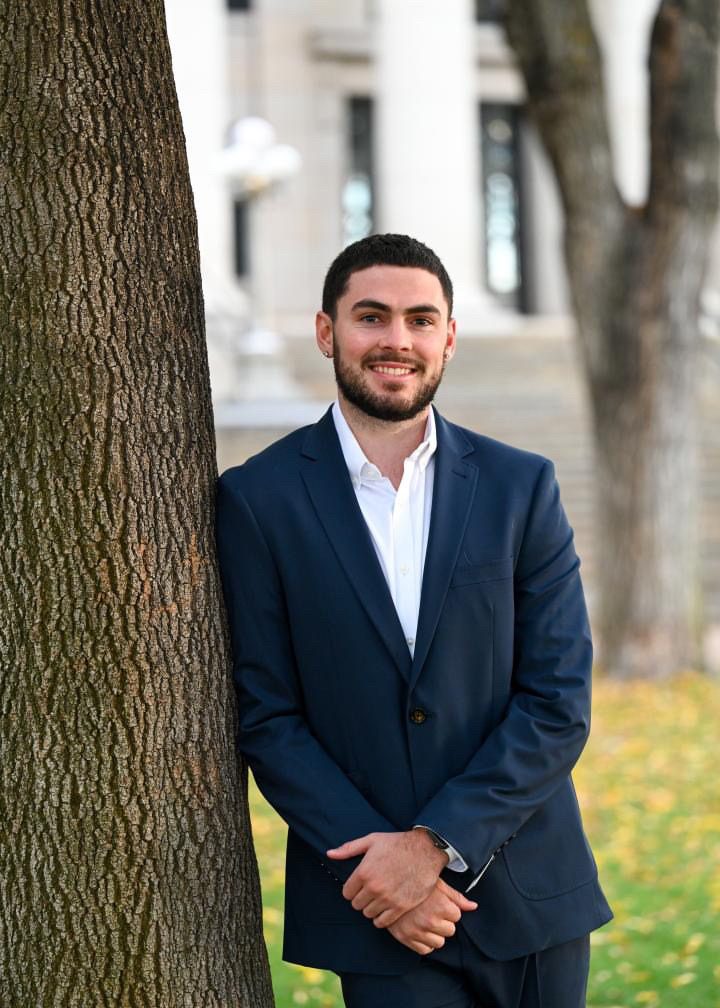
Hey — I'm Shane. Thanks for coming this far in.
Most agent bios are a list of things meant to make you trust somebody. This isn't that. If you're going to let me anywhere near the biggest decision you'll make with money, you should probably know where I come from first.
My parents built a self‑storage facility in beautiful Southern California.
It wasn't just the business. It was the thing our whole family was built around — the reason my dad was gone before it got light, the reason we lived where we lived, the reason any of it worked.
Then the economy got grumpy.
I was young enough that nobody explained it to me. Old enough to see it on my parents' faces.
That's the part I remember first — not a number, not a date. Just watching the people I trusted most be stressed and hurt and quiet in a way they'd never been. Something was wrong. I couldn't have told you what.
We lost the business. We lost our house. We lost my grandmother's too.
I try to be careful with that sentence. People say “we lost everything” when they mean it got tight. I mean it the other way. Three houses. One family. Nothing left over.
Before Arizona there were a couple of years in a really tiny rental house.
And somewhere in there was a Christmas where my mom sat my brother and me down and told us she couldn't afford groceries that month, let alone presents.
I want to be clear about why that one stuck, because it isn't the reason you'd think.
It wasn't about the presents. I genuinely didn't care about the presents.
It was that I could hear it in her voice. My mom was struggling, and she was having to say it out loud to her kids, and I was too young to understand the shape of what was happening but old enough to know that saying it was breaking her.
That's the one I still see.
We ended up dirt broke, and somehow ended up in Prescott, Arizona when I was fourteen.
Nobody sits a fourteen‑year‑old down and explains what a market is. You just notice the adults you trust have gone quiet. And you work out on your own that a building can be worth everything one year and nothing the next, and that the difference came down to decisions made in rooms you weren't in.
I think about that more than I probably should. It's most of why I do this the way I do it.
I didn't understand it then. I understand it now.
Somebody looked at me and didn't see where I came from.
Honestly? A lot of people did. More than I probably deserved at the time.
Coaches, most of all. Coach Schwalbaugh. Coach Brady. My college coaches. Trainers who gave me hours they were never getting paid for. My parents and my family, who had every reason to be worn down and somehow weren't.
And my mentor, Steve Valentine, more than anybody.
What they saw wasn't talent. Plenty of guys had more of that than me. What they saw was that I'd do the work — that I was willing to go all in on something and not quit on it halfway. They believed in me as an athlete, but more than that they believed in me as a person and as a man of God, and those two came first.
Every one of them took a chance on a kid whose family had just lost everything. I'm forever grateful they did.
Most of what I know about betting on people, I learned from being on the other end of it.
I worked extremely hard, and was blessed to have played college basketball.
The plan was to go pro overseas for a year or two. And I want to be clear that this wasn't a kid's daydream — it was a plan, with people around it, and it was close enough to touch.
Life had other ideas for me.
Two major knee surgeries later crushed that dream in an instant.
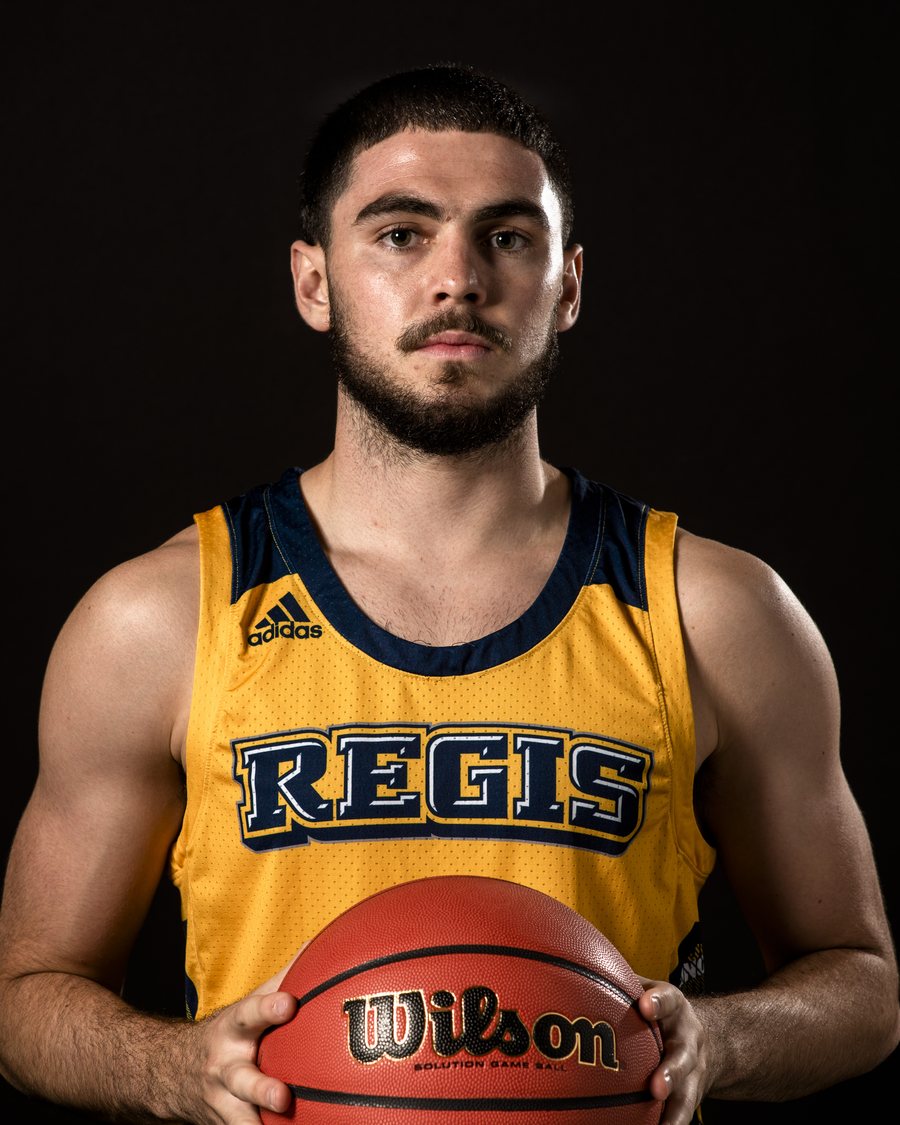
I had a come‑to‑Jesus moment about what I was going to do with this competitive edge that suddenly had nowhere to go. And that's not a figure of speech in my case.
I'd spent my whole life pointed at one thing. The thing was gone. And I was either going to find something that asked as much of me, or I was going to spend the next forty years being a guy who used to play ball.
Why real estate, of everything.
It clicked when I worked out that I'd been taught the job wrong.
The version I got handed was simple. Go get the listing. Get it signed. Put it on the market. Collect the commission. That's the job.
And I'm competitive — I'll compete with anybody — but I couldn't stand the salesy part of it. Sitting across from somebody and steering them toward the one outcome that happens to pay me felt like the wrong end of a conversation to be on.
Then it landed.
There isn't one way to sell a property. There are several — and most people never get shown a single one of them except the one that pays their agent.
That changed the whole job for me. It isn't to get a signature. It's to put the options on the table, all of them, including the ones I make nothing on, and help somebody work out which one actually fits their situation and their circumstances.
Then we decide together.
That's a completely different job than the one I was handed. It's also one I can do for thirty years without turning into somebody I wouldn't want to sit across from.
Real estate is the only thing I've found that's as hard as basketball was. That's why I'm still here.
Here's the part that actually matters, though.
When I'm sitting across from somebody deciding what to do with the biggest thing they own, I'm not running commission math in my head.
I know what it costs to get that decision wrong, because I watched it happen to my family. I watched what it does to a marriage. To a dinner table. To a kid who doesn't fully understand what he's watching but knows enough to stop asking questions.
So I'll tell you not to sell. I'll tell you the house is wrong before you fall in love with it. That costs me deals, and I've made my peace with it — because the other option is being the guy who was in the room when somebody got it wrong and said nothing.
What I'm building now.
Most Saturdays I put two signs out in a public park, sit down to people‑watch, and let strangers ask me anything they want about real estate. No appointment. No pitch. No pretending I know something I don't.
It started because I kept noticing how many people were carrying around a question they'd had for years with nowhere to put it. They didn't want a REALTOR®. They wanted an answer, and every time they'd gone looking, the answer came with somebody trying to sell them something.
The rest of what I'm building comes from the same place. A room for agents, because I called a hundred of them and almost every one said they were doing this alone. A room for people in their teens and twenties who are building something, because that was me and I had nobody to ask.
And I don't work alone either. I'm part of The RIG, a real estate investment group with forty‑plus years and thousands of transactions behind it. You get a young agent's attention and a veteran's judgment.
I'm no different.
I'm a person of faith, and this is a ministry before it's a business. That's the standard I get held to, and it isn't one I set for myself.
So here's my honest pitch, for whatever it's worth.
I'm not the highest‑volume agent in Arizona. I'm not going to sit here and tell you I've got it all figured out, because I don't, and you'd know I was lying anyway. I'm younger than most of the people you'll talk to and I'm still learning things every month.
What I do have is the specific, unpleasant experience of being on the wrong side of a property decision — and a stubborn refusal to be the reason somebody else ends up there.
If you're sitting on a house and a question, that's all this takes. You don't have to be ready. You don't have to be selling. You can just ask.
Ask me anything.
It comes straight to my phone, and I'm the one who answers.
Real Broker AZ, LLC · ADRE SA710418000